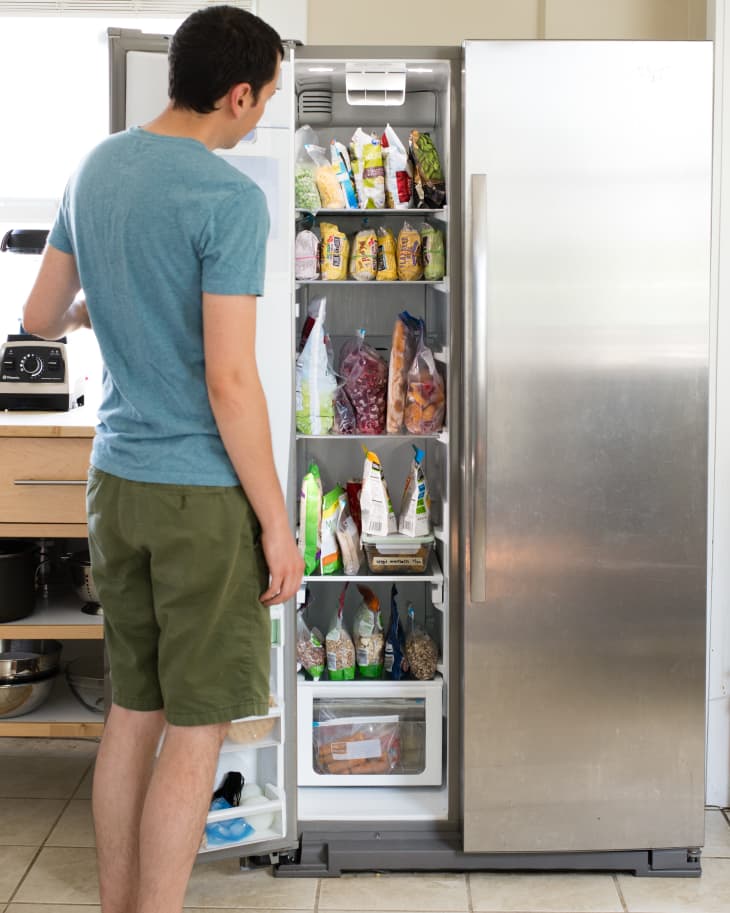
In the battle against limited freezer space, some foods just don't cut it. But how do you know which ones to toss before they hit the freezer? Three rules help break down the mystery and keep your freezer free for success.
Rule One: The cardinal rule of freezing: if it didn't taste good to begin with, it won't taste any better after freezing. In fact, it will most definitely taste worse. Freezing changes the texture of food as it's reheated, so there really isn't a chance a dish will taste better. If you didn't love it for dinner tonight, just cut your losses now!
Rule Two: If you're freezing a raw food with a high moisture content (think cucumbers, watermelon, oranges) you intend on eating raw again, forget about it. The moisture that keeps the food crisp and intact doesn't behave the same way after thawing. Think of putting a defrosted tomato on top of your salad -- yuck! However, if you plan on using the item to cook something else, tomatoes will work. Cucumbers and lettuces, don't bother.
Rule Three: Beware of anything creamy. Custards, blocks of cheese, yogurt —all of these dairy products freeze horribly. The curds separate from whey and instead of the creamy dish of yogurt you put in the freezer, you'll find a dish of separated strangeness. Again, if you're using for cooking, you can salvage some of these, but err on the side of caution.
Remember, we're talking about individual foods frozen alone here. The game changes entirely when freezing many of these with other ingredients or in dishes. This guide is for when you've got a few extra stalks of celery leftover and you're thinking of throwing them in the freezer (think again!). Now, freezing the foods below won't harm you if you decide to try eating them. Some people don't mind the changed texture after freezing and thawing yogurt, for example. Just don't expect any of these foods to much resemble their original state post-freezer.
The Do Not Freeze List
• Vegetables: Celery, cucumbers, lettuce, onions, peppers (especially green), potatoes (especially raw), radishes, sprouts, salad greens
• Fruit: Apples, grapefruit, grapes (unless you're planning on eating them frozen), lemons, limes, oranges (but DO freeze citrus zest!), watermelon
• Dairy: Cheese (especially soft varieties), cottage cheese, cream cheese, custard, eggs in shells (crack them open and try this technique instead, mayonnaise, sour cream, salad dressing, yogurt
• Herbs (if frozen alone in sprigs): Basil, chives, parsley, other soft herbs
• Other: Crumb toppings on casseroles and baked dishes, frosting (egg white and cream based), fried foods, pasta, rice, sauces (especially those made with cornstarch or flour)
Related: From the Files: Recipes that Freeze Well
(Images: Faith Durand; Flickr member RaeA, licensed underCreative Commons)
Elizabeth Apron fro...

So if raw potatoes, peppers, and onions don't freeze well, how come you always see them in the freezer aisle? Ditto fried foods.
VINTAGEJENTA, I believe that those frozen items are meant to be cooked and not eaten straight out of the freezer. although there's nothing stopping you from eating it defrosted, but you might not enjoy it ;)
i have a habit of putting aside extra pieces of sweet peppers (for bisque), broccoli and asparagus stalks (for soup as well), tomatoes (for a quick sauce). but not for snacking on..
I freeze peppers and onions all the time. Tomatoes too. As Juliachristianne said, they are perfectly fine if you cook with them... they just aren't good raw.
i have to disagree with pasta being on the no freeze list. I make fresh pasta - pressed and cut - and freeze it, and i think its delicious. Raviolis (which do have cheese!) come out particularly fine out of the freeze.
Making a big batch of rice and freezing it is a great weeknight time saver. Just under-cook by a few minutes and it works fine.
I like to freeze sliced semi-thin triangles of watermelon during the summer like the grapes-- it's like a nice frozen fruit pop. I don't freeze them long term of course. I eat them within the same day or hour (depending on how thick the slice of watermelon is and how hard I want it to be).
Rice doesn't freeze well?? I often freeze extra rice in addition to other cooked grains. I also freeze large blocks of cheese such as mozzarella (not the fresh variety) and cheddar. Ditto with pasta.
I also like freezing watermelon. Eating hunks of it frozen like a popsicle is such a great treat when it's hot out.
Ditto on the frozen watermelon - it's delicious! I've also heard that, done right, rice freezes just fine. I've frozen grated cheese (that I processed in my food processor, not from the bag) without problem. It goes straight from the freezer to wherever it's needed and works great!
I think the key with freezing rice is to freeze it right after cooking while it's still steaming hot. Then you just pop it in the microwave real quick and boom fresh rice. It's something I've done for years. When ever I make rice I always make a bit more for freezing, and I wrap it up in individual portions.
i've had good luck with premaking pasta bakes and freezing them, with both pasta and mozz cheese on them, as well as freezing red peppers for soups or stirfrys later. I had bad luck with a homemade cream of potato soup (when it was defrosted it was gluey) and ham or anything smoked. The smoked flavor gets really tangy after a few months in the freezer. Yuck.
Oh, and chives freeze fine. I cut fresh chives in the fall and eat them out of the freezer all winter - they're great!
If I have peppers and onions to use up I cook them, then freeze them. They taste fine.
Some of the key with the items you list is HOW you freeze them, in addition to how you use them. I'm very successful freezing shredded cheeses like cheddar, but I do typically use it in cooking afterwards (although sometimes it still works as a quick garnish.) I freeze brown rice in ice-cube trays. I think this works because you increase the surface area, so it's a quick freeze and a quick thaw.
Most of the veg you're describing actually are terrific for stock and freeze well if you plan to use them that way.
I'm agreeing with Bobette on the rice. It's really the only way to store rice if you cook it beforehand. It dries out terrible in the fridge, and only tastes decently if you steam it. Frozen rice, however, pops into the microwave nicely.
I'm with others here - I wouldn't try to eat them again raw, but I routinely freeze celery and onions (and carrots) in a big bag for making stock next time I roast a chicken. And I freeze rice, pasta and tomato-cbased sauces. I find pasta doesn't freeze so well plain, but mixed with a tomato or olive-oil-based sauce (including cheese), it works great.
And if I have left over yogurt, I freeze it in popsicle molds for frozen yogurt!
I do agree with the recommendation against freezing potatoes - even in soups, they come out mealy and awful. Not sure how commercial tater-tots and french fries manage to avoid this problem - anyone know?
I freeze apples from my tree all the time - cut up and with a little bit of lemon, it's great for making a crisp in the middle of the winter!
I freeze sliced apples in the fall to make pies with. It works great! The crust actually has more time to crisp up in the oven when you start with frozen apples.
@Roseisred - chemical cocktails of preservatives and whatnot, I'd assume.
I was just going to say that my mother, frugal as she was, would always buy sour cream when it was on sale and freeze them, thawing what she needed when she needed it. I shudder to think of the nasty, separated, watery looking crap that I grew up putting on my tacos. I can't deal with the thought of it to this day.
Rice freezes perfectly and super easy to split from a chunk and thaw with a rinse of warm water. I freeze watermelon for summertime slurry cocktails :)
We freeze rice for fried rice the next night. It works pretty well.
I freeze celery all the time. Slice it up and throw it in a bag. It works fine in cooked dishes and in mixed salads like egg salad. It doesn't work for stuffing with peanut butter. I'm okay with that.
I also freeze rice all the time. I freeze plain rice, fried rice, pilafs and risottos. Works great, and often saves me when I need a fast last minute meal.
We freeze watermelon in the summer to feed our granddaughter. She loves the frozen chunks. I also freeze chopped oniona and green peppers to use in cooking throughout the winter. It works great.
Regarding cheese - I have Parmesan in my freezer, and it's fine. (I essentially got two pounds of high-quality cheese from a caterer for free, so I sure as hell wasn't going to waste it.) The texture is different - it's crumbly and doesn't grate well - but it still tastes great, and I don't mind crumbling it when it's going on top of pasta or a casserole anyway. Hard cheeses should tolerate freezing pretty well, as long as you don't mind a change in the texture.
And I freeze rice as well. If after a while it gets particularly dry or crunchy, I just make rice pudding out of it, and it's fine. Voila.
I think the article needs some reworking to emphasize that the list applies to not wanting to use these items without cooking them. The author mentions that in passing but it's not very clear. There are very few items I'd eat raw after defrosting, so frankly the list of what not to have raw after freezing seems pointless.
I freeze parmesean and feta cheese. I have cooked with them and put them directly into Salads from the freezer. Tastes Great.
I agree with the above posters on cooked rice- it only needs to be defrosted to be eaten, and while it's not as good as fresh rice, it's good enough. I make onigiri in bulk and freeze them. I also agree with jennysilentg on freezing fresh pasta, but as the article is only talking about things you aren't going to cook before eating, I'm not sure that's what they meant (I think it was referring to cooked pasta).
I'm also a little confused on the admonition not to freeze casserole crumb toppings. Like bread crumbs? Because that's where my breadcrumbs live, and I've always felt that freezing them makes them better. Given all of the other confusion about the wording, though, I suppose it could be referring to freezing cooked casseroles with the topping on them and expecting it to be as good the second time?
Bell peppers freeze well so long as tyou don't try to thaw them before cooking them. Straight into the pan or on the top of the pizza and they'll be tender yet crunchy. :)
This list is bizarre and needs serious rework. Obviously you can't just throw a whole potato in the freezer, but almost all of these freeze perfectly fine if you follow freezing 101: blanch it, shred it, or freeze it in oil.
Also yogurt? Are you kidding me? It's like the #3 thing I freeze. The individual packs even recommend it.
I freeze buttercream all the time. Comes out ready to go... and I make IMBC not the powdered sugar stuff. Hmmmm?
This is a great post but I do disagree with some. Freezing Watermelon and citrus is fantastic for drinks, and you get zest the lemon from frozen. I love meyer lemononade in the summer, and this is how I ensure my juice supply. I freeze sevilles whole for marmalade. Sticks of celery and other vegetables get thrown into their own bag to be added to chicken carcasses for stock. I think the trick is to realize you will enjoy them in a different form than you did when they weren't frozen. And frostings, especially buttercreams and royal icing freeze like a dream. The trick is to let them defrost naturally and DO NOT stir until they are room temp. A quick whip and they are as good as the day you made them. I freeze homemade pasta all the time and you'd never know it was frozen.
I make huge batches of paneer (enough for four meals or so) and freeze them regularly. As long as you pre-cube it, it heats up beautifully.
I freeze cheese all the time, both shredded pepper jack and logs of goat cheese. Both come out of freezer just fine.
I have to echo the baulking at not freezing pasta. We make a large batch of our favorite pasta dish once a year and have left-overs in the freezer for months. It's delicious and the texture change is minimal to non-existent. Ditto to extra helpings of lasagne.
I'm laughing a bit as I read these comments; so helpful! I agree with many of the commenters on rice. My mom does exactly what Bobette does - you freeze steamed rice right after it finishes cooking. She pops the rice into tupperware then sticks it immediately in the freezer. Then she just microwaves the rice, and it tastes great.
I completely disagree about the watermelon...in the summer, I freeze it in large chunks or cubes and throw it into the blender with plain greek yogurt whenever I want a smoothie. It's the most refreshing and fulfilling thing when you're not in the mood for a "real" breakfast or meal (not to mention healthy!).
I didn't know eggs are classified as dairy :) And maybe the list should be headed: Do not freeze and thaw list.
I can well imagine that the texture of things frozen whole would change after freezing and defrosting. The ice crystals that form will poke holes in the membranes of the plant cells, meaning all the liquid will start leaking out when defrosting - essentially it would look wilted. Anything creamy might be salvaged by blending it again, if it has split. Cheddar becomes more crumbly after freezing, but mozzarella (the pizza-cheese type) still works fine. We grate both anyway, before freezing.
With a lot of the "other" stuff, it depends what you want to do with it. My mom freezes rice and pasta all the time, and it turns out okay. Maybe the texture isn't perfect, but it's better than nothing.
I've always frozen cream cheese (regular and light, but only the brick kind) and it defrosts without a problem - not even condensation! Its expensive here, so it allows me to stock up a few bricks at a time when its on sale (works great for making frosting too!)
Also, you totally should freeze those lefter pieces of celery, carrots, whatever other vegetables you have - then you can home-make your own vegetable stock on your terms instead of the vegetables.
Like other commenters have said, pasta freezes quite well - freezing is a great way to keep fresh pasta, and isn't lasagna pretty much the original freezer meal?
I have never had a problem with freezing frosting (eggbased or otherwise). Maybe the writer was referring to icing, like Royal icing, as opposed to for example buttercream frosting? Many SMBC recipes state right in them that it can be frozen for future use, just defrost overnight in the fridge and re-whip.
@Roseisred: Commercially frozen potato products are flash frozen, so they take WAY less time to freeze then when you do it at home (same thing with most frozen veggies). This preserves the texture better than the long freezing time required at home - the ice crystals don't get a chance to break the cell walls in the potato, so the starch doesn't leak out which is what makes it mealy - a similar texture occurs if you over-boil or over-mash potatoes.
I successfully freeze more than half of the things on this list. I routinely chop and freeze onion, carrots, and celery to use in soups. I freeze whole lemons and other citrus fruits. I believe I am able to extract much more juice from them. I puree soft herbs with olive oil and freeze in ice cube trays to add to soups. Etc. The key to knowing what to freeze is understanding that water expands as it freezes so it breaks cell walls in plants or separates from fat in heavy cream... If you are using the food while still frozen (frozen grapes) or plan on cooking it or juicing it and thus breaking the cell walls anyway, it works fine. Freezing is a great way to avoid food waste.
@carinb - Yes, it is amusing to think of a cow giving eggs. The term 'dairy' as applied to eggs actually is shorthand for "in the dairy case" because many, many years ago groceries were not really big supermarkets but closer to what mom-and-pops are today. There was a refrigerated (not frozen - that was for the Birds Eye frozen vegetables) case where milk, cheese, butter, cream and, yes, eggs were kept. They didn't then have things like fresh pasta to sit there. And it wasn't 'pasta' but would be dried macaroni or spaghetti out on the regular shelves. A different era but the term persists.
This article should be reviewed. When you say "do not freeze these foods" it is expected to name ingredients that shouldn't be frozen, in any circumstance, no matter if they are gonna be eaten raw, cooked or just liquified.
I freeze rice and pasta all the time. I don't like the consistency of cooked, frozen potatos, they go grainy and taste horrible to me, however, mashed potatoes freeze well and taste good once they are thawn.
Once lemon juice is frozen in cubes, they need to go into air tight containers or they will dry to syrup in the freezer. I have just put 43 whole lemons in the freezer and just take them out when I need them. I can zest them while they are still frozen and squeeze them when they are thawn.
Milk and most milk products freeze well too.
I am writing from my own experience here.
Christel
except that you guys just made a post on how to freeze rice yesterday... haha.
I freeze cubes of watermelon to use in smoothies and cocktails later.
I couldn't disagree with this article more. I freeze most of this stuff all the time, especially rice and herbs.
I'm a little surprised to see that people would consider freezing cheese. Apart from plastic and foil-wrapped processed cheese food items, aren't most cheeses considered a living food, meant to breathe and age in a cool, dark place? Just slice off and chuck any odd bit of mold that moves in and the cheese beneath is fine?
@blueophelia, I think all the cheeses mentioned here were the processed variety. Mind you, that stuffs lasts for ages - I've never had to freeze it.
@roseisred - also besides potato and tater tots being flash frozen I think the real difference here is that those potato products (fries, hashbrowns, tator tots...) are all partially cooked...whether blanched in a fryer or pre-baked you are really just reheating/cooking them...in the case of the tator tots the potato in them are grated or individual pieces brought together. Just like the cheeses say freeze horrible (maybe as whole blocks) but if the cheese is hard enough to shred it freezes nicely.
I also agree with the comments here about freezing rice.
And I also agree that this post should have been more thorough with explanation.
To prevent waste, I freeze just about everything. Frozen celery, peppers, onions can be cut up for cooked recipes. Potatoes, if blanched, can be frozen uncooked for hash browns or french fries. Grated cheese freezes well - slices and blocks of cheese get crumbly.
Pasta freezes awesome. I don't eat cheese anymore but when I did, I froze that all the time to and milk. Really, I have never run into anything that doesn't freeze great except for fresh fruits and veggies and potatoes. With the fresh fruits and vegs - you can freeze them but they wont be fresh anymore and that is okay if you are going to cook them. With potatoes, you must parboil them before freezing or else they will turn black and gross in the freezer. However, after that, potatoes freeze great. I'm surprised you didn't mention that in this article.
Parsley doesn't freeze well?!! I ALWAYS freeze it and it stays fresh for a long time!! I make sure to chop fresh parsley as soon as I buy it then store it in the freezer right away...no issues for me!