
Seize the Season! 5 Tips for Preserving Fresh Vegetables in the Freezer
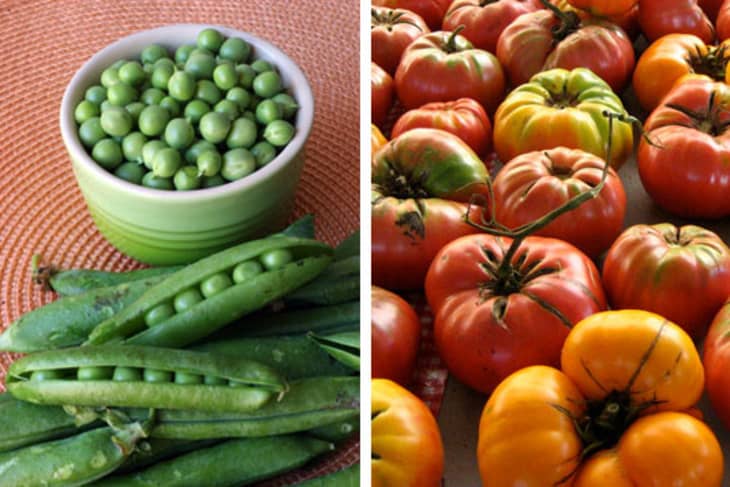
Love to buy loads of fresh veggies at the farmers’ market but can’t always use them up in time? Look to your freezer for help! However, it’s not as simple as throwing a few tomatoes in the freezer; there are techniques that vastly improve the thawed product. Read on for tips!
In general, just plopping fresh veggies in the freezer results in rather sad, limp results once thawed. Why? It’s an ugly combination of cell walls being weakened by the freezing process and ripening enzymes remaining active even as the vegetables freeze.
What helps vegetables maintain color and texture through the freezing and thawing process? A few easy steps and careful packaging.
5 Steps to Freezer Success:
1. Pick Prime Produce – Choose vegetables at the peak of their season and when possible, freeze soon after harvesting.
2. Quickly Blanch – Cook the vegetables for a short amount of time in boiling water to stunt their ripening enzymes. Check out this master guide from Colorado State University for precise blanching times for a variety of vegetables.
3. Chill Throughly – Remove the vegetables from the boiling water and immerse in ice water until the temperature has fully come down. This may take as long as the veggies were immersed in boiling water — don’t rush it!
4. Pack Tightly – The way you package your vegetables for freezing can make or break the finished product. We recommend the tray method of spreading veggies on a sheet tray until frozen solid, and then transferring to a heavy plastic bag or other container.
5. Thaw Within a Year – Frozen veggies don’t last indefinitely and while they won’t become toxic if you forget the zucchini in the back of your fridge for 2 years, the thawed result won’t taste as good as if you used it sooner.
Do you have any tips or best practices for freezing vegetables? What do you freeze?
(Images: Kathryn Hill; Flickr user tvol licensed for use under Creative Commons)
It’s Reader Request Week at The Kitchn! This post was requested by MERILYNCH.