
Beyond Whole Wheat Flour: 3 Delicious Whole Grain Flours You Should Try Now
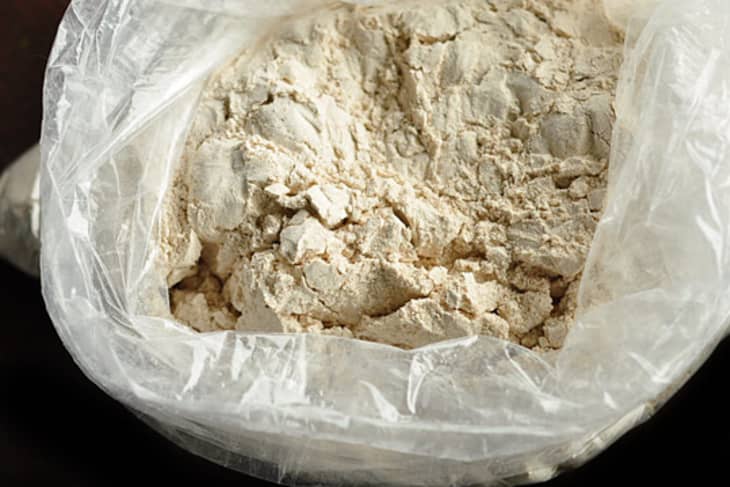
If you’re anything like me, whole-wheat flour has been in your pantry for quite some time. But so often, baked goods made with the popular flour can be clunky and heavy — begging for a different approach.
I buy most of my flour in bulk so I can experiment with different kinds, often creating my own blends or combinations. But there are three flours that I continue to reach for, over and over, because they turn out beautiful baked goods and are easy to substitute for other flours in most recipes. So today I’d like to introduce you to my three favorite whole-grain flours:
1) Barley Flour I’m very fond of barley flour. It’s probably the flour I reach for the most, actually. It has a really wonderful soft texture and an almost creamy sense about it, making it perfect for morning pastries like scones, biscuits or muffins. It works best paired with another flour, so I’ll often substitute half the amount of all-purpose or whole-wheat flour in a recipe for barley flour.
Try a Recipe: Buttermilk Barley Biscuits – Lottie and Doof
2) Spelt Flour Spelt flour is a wonderful, mild whole-grain flour; if you’re interested in whole-grain baking, you need spelt flour around. Kim Boyce, author of the cookbook Good to the Grain, says of spelt flour: “If you were going to pick one whole-grain flour to start baking with, spelt flour, with its mild, sweet nature would be the one.” Unlike some whole-grain flours, you can substitute it directly for whole-wheat or all-purpose flour in most recipes. Baked goods will have a subtle, soft crumb that you just couldn’t achieve with whole-wheat flour.
Try a Recipe: Spelt and Carrot Ginger Cupcakes – Turntable Kitchen
4) Oat Flour Oat flour is delicate and light, but strong enough to hold up to fruits, chocolate and nut mix-ins. This is another flour where I substitute half of all-purpose or whole-wheat flour as oat flour really does need the strength of gluten from another flour to create baked goods that firmly hold together; it can become a bit mushy (and occasionally disastrous) when used on its own.
Try a Recipe: Multigrain Waffles – 101 Cookbooks
(Image: Emma Christensen)